

Advanced Reactors and Market Trends with Nuclear New Construction
By Kurt Christianson, Manager, Business Development, Curtiss-Wright and Robert McCandliss, P.E., Principal Qualification Engineer, Curtiss-Wright
The nuclear industry is undergoing significant transformation. As new reactor technologies move from concept to construction, valve and component suppliers face a set of challenges that go far beyond what traditional reactor programs demanded. From small modular reactors (SMRs) to high-temperature Gen IV designs, the demands on components for new nuclear reactors are growing more complex — and the stakes have never been higher.
Unique challenges in component selection
Selecting valves and related components for advanced reactor applications requires specialized knowledge and planning. While a broad set of factors must be considered, at least in the safety-related applications, the approved products to choose from may be limited. Some of the considerations include: the physical size and quantity of components needed; their orientation and weight within tightly constrained spaces; and, the cost implications of highly specialized nuclear-grade hardware.
Beyond just the physical requirements of the equipment, components must be selected in line with current nuclear regulatory requirements. In today’s nuclear power resurgence, reactor technology is evolving more rapidly than it has in decades, so standards and regulatory demands are evolving alongside the technology itself. New reactor designs, particularly high-temperature reactors, contain operating environments that far exceed the framework of existing product specifications, including significantly higher heat applications in some of these reactors.
The technology landscape: Gen III+ and Gen IV
The current nuclear new-build market includes two broad technology generations. Generation III+ encompasses both large light water reactors (LWRs) and small modular reactors (SMRs), while Generation IV represents a step-change in reactor design, grouped under the umbrella of “advanced reactors.”
Each category brings distinct engineering requirements, and the progression from Gen III+ to Gen IV represents not just an evolution in reactor performance but a fundamental shift in the environments that components must survive and function within.
Meeting design basis in harsher environments
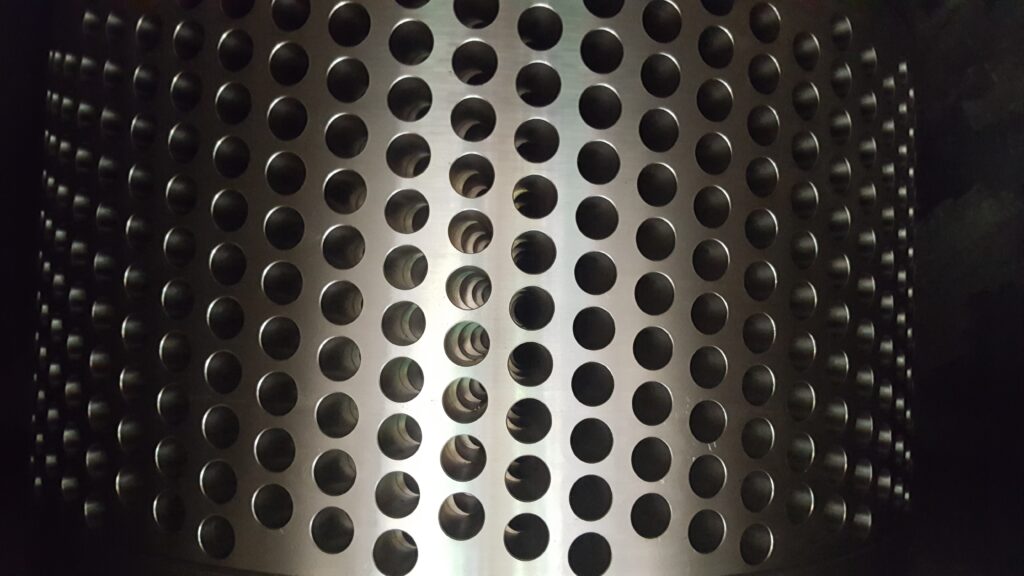
Advanced reactor designs compress systems into significantly smaller footprints, so there is less room for components and systems in containment spaces, which makes design and product specification critical to the building of the plant, as well as the ongoing maintenance needs. Operators need to be able to access components for replacement and maintenance. The tighter footprint and harsher conditions make it much more important for the safe operation of the plant to find components designed to excel in these harsher conditions.
Nuclear isn’t growing just in North America, but globally, which adds more complexity for suppliers and manufacturers to satisfy the regulatory requirements of multiple national jurisdictions, not just the United States. For microreactors and small modular reactors, these are often intended for remote locations so designers and operators must account for extra time and care in shipping and logistics to get components to these sites, including careful shipping containers to protect the integrity of the products so no damage occurs during transport.
Next-generation reactors operate not only at higher temperatures but also expose components to higher radiation environments that exceed conventional systems in operation today. These demanding environments may require new materials, which in turn require more qualification and quality testing, as well as additional regulatory reviews to ensure the components deliver safe, reliable, and secure operations.
Challenge of testing for harsher environments in new designs
Each new power plant design has specific design criteria that drive the equipment qualification process, and the drive to make more efficient, higher output (or smaller footprint) plants has continuously pushed these test parameters to new levels. Old plant designs often had test requirements of 360˚F at 66 PSI, while new plant designs require equipment to operate at temperatures up to 600˚F, pressures up to 1100 PSI, or have special material conditions (handling liquid salt or metal) that have never been done before.
It takes significant time and investment to build new test facilities capable of replicating the new nuclear temperature, pressure and radiation environments — all of which are required to demonstrate proper operation of the safety-critical equipment.
Further, new advanced plant types like the high-temperature gas-cooled or liquid metal or liquid salt-cooled reactors have no regulatory precedent. Both the regulatory design evaluation process and the methodology to demonstrate the operability of the safety-critical equipment must be developed.
Regulatory framework: The challenge of regulatory creep
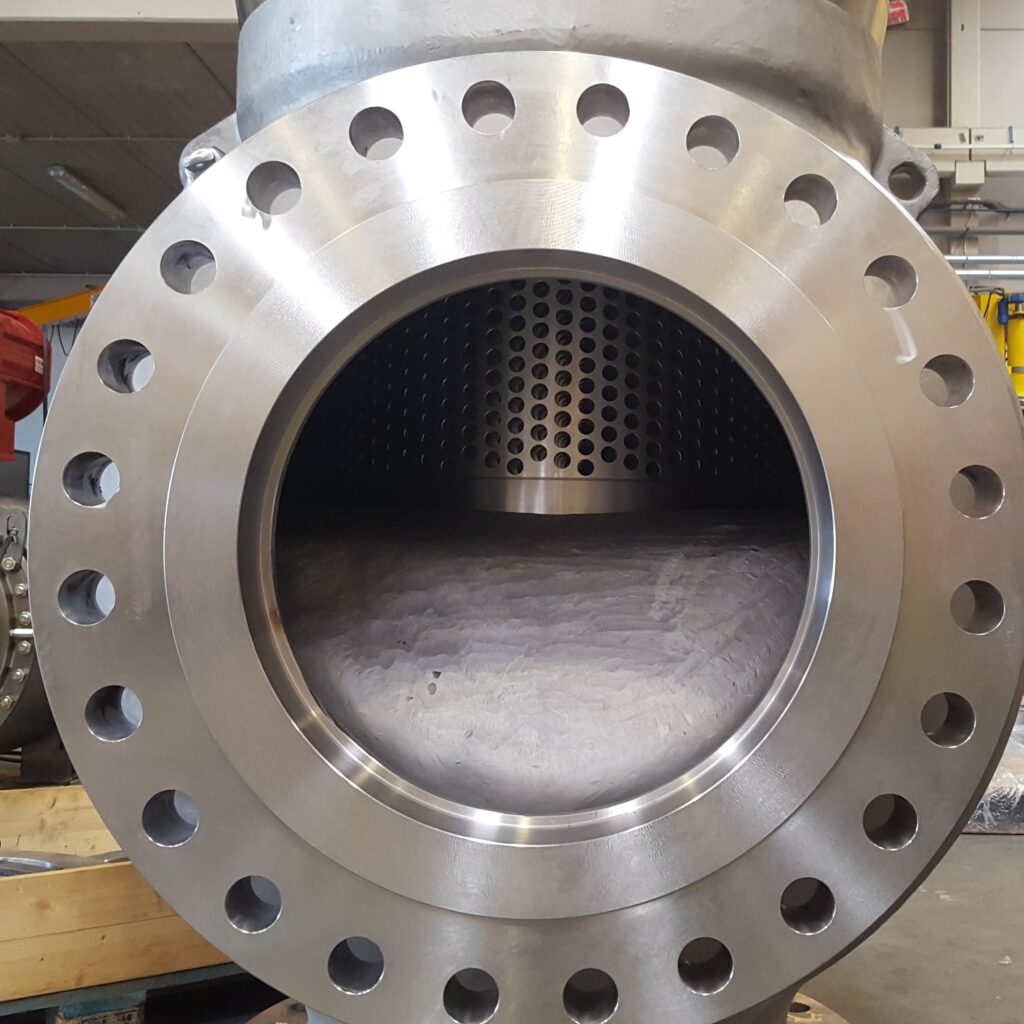
One of the most significant pressures facing component suppliers is what the industry calls “regulatory creep” — or the gradual changing of qualification requirements over time — which adds costs and additional lead time to order fulfillment and delivery.
The comparison between IEEE 382-1996 and the updated IEEE 382-2006 standards is just one example. The 1996 standard outlined roughly 11 testing steps, including pretest inspection, thermal aging, radiation, vibration, seismic, LOCA and post-test verification. The 2006 revision expanded the qualification sequence to 18 steps, adding intermediate inspections between each major aging and environmental test phase. Each additional step represents real time and cost in the qualification process. This is just one example of regulatory creep among many as new technology is developed and older technology is either updated or phased out.
Distinct frameworks for different reactor types
Light water reactors, while operating under an established regulatory framework, face increasingly elevated requirements for temperature and seismic performance, whereas high-temperature reactors face a more fundamental regulatory challenge. Components for these systems must meet Division 5 design and stamping requirements under ASME codes — a framework developed specifically for non-LWR advanced reactors. Updated QME-1 requirements for mechanical equipment qualification also apply, and microreactor applications add transportation qualification on top of the standard environmental test sequence, again. Many of these reactors are being built in remote areas that require additional transportation to get products to the sites.
Adapting: Innovation in design and materials
Meeting these challenges has driven meaningful innovation in valve design and materials technology.
On the design side, metal-seated ball valves are gaining traction for high-temperature applications where current traditional soft-seated designs cannot survive the thermal environment. However, manufacturers of seals and valve seats are currently working to find alternatives for these more demanding applications. System media-operated isolation valves, which use the process fluid itself as the actuating medium, offer a path to eliminating external actuator components, thus reducing the risk of failure and maintenance burdens.
Materials selection is extremely critical. High-temperature reactors require Division 5-compliant high-temperature alloys that conventional LWR supply chains don’t stock today. There is also a strong industry push to reduce cobalt content in valve trim materials. Manufacturers are trending toward premium-grade carbon and stainless steel with elevated mechanical properties over cobalt-based hardfacing for valves when possible.
Conclusion: Building for longevity
The overarching challenge for the nuclear valve and component industry is designing products that can satisfy today’s regulatory requirements while remaining viable across an 80-year plant life, today’s calculated life of a nuclear plant. However, with ever-changing technology and materials and testing advancements, manufacturers and operators expect that regulatory standards will almost certainly continue to evolve.
That means thoughtful valve accessory selection to minimize potential failure modes, early engagement with qualification programs to absorb lead-time risk, and investment in forward-compatible technologies that can be requalified to updated standards without a complete redesign. Companies that can balance these priorities while remaining competitive will be best positioned to serve the advanced reactor market as it moves from promise to reality.

Photos provided by Curtiss-Wright.