
Produced by


Published March 10, 2022
The potential for AM, specifically on the metals side, to create an agile, distributed supply chain has been a discussion point in the industry for a while, but obstacles have remained in real-world implementation.
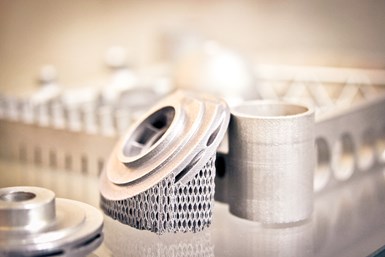
While supply and demand create market fluctuations in the energy industry, keeping production equipment operating smoothly remains an ongoing supply chain issue for oil and gas operators, independent of market conditions.
Whether it’s upstream, midstream or downstream operations, components that are vital to maintaining critical equipment require replacement over time. Due to long conventional manufacturing lead times, oil and gas operators have historically been forced to maintain high-volume inventory programs, but this is both costly and inefficient. This issue is further compounded when the parts are complex in nature.
The American Petroleum Institute has now published API20S, the first-ever oil and gas-industry sanctioned specification for metal additive manufacturing (AM). This spells out processes, testing, documentation and traceability, among other requirements, for manufacturers of metal AM components being used in oil and gas facilities of all types.
Oil and gas operators and their component suppliers are excited about the potential of additive manufacturing to support a more rapid response to this supply chain challenge. Read here for the full Manufacturing.net story and VALVE Magazine’s Winter 2022 feature on the subject: Metal Additive Manufacturing: the Evolving Road to Adoption and Standardization.



September 17, 2026
These standards have been released in the past few months.
November 25, 2025
Expanded valve and actuator design and manufacturing capabilities further expand FMD offerings and global customer base.
November 25, 2025