Produced by


Produced by
Published November 23, 2026
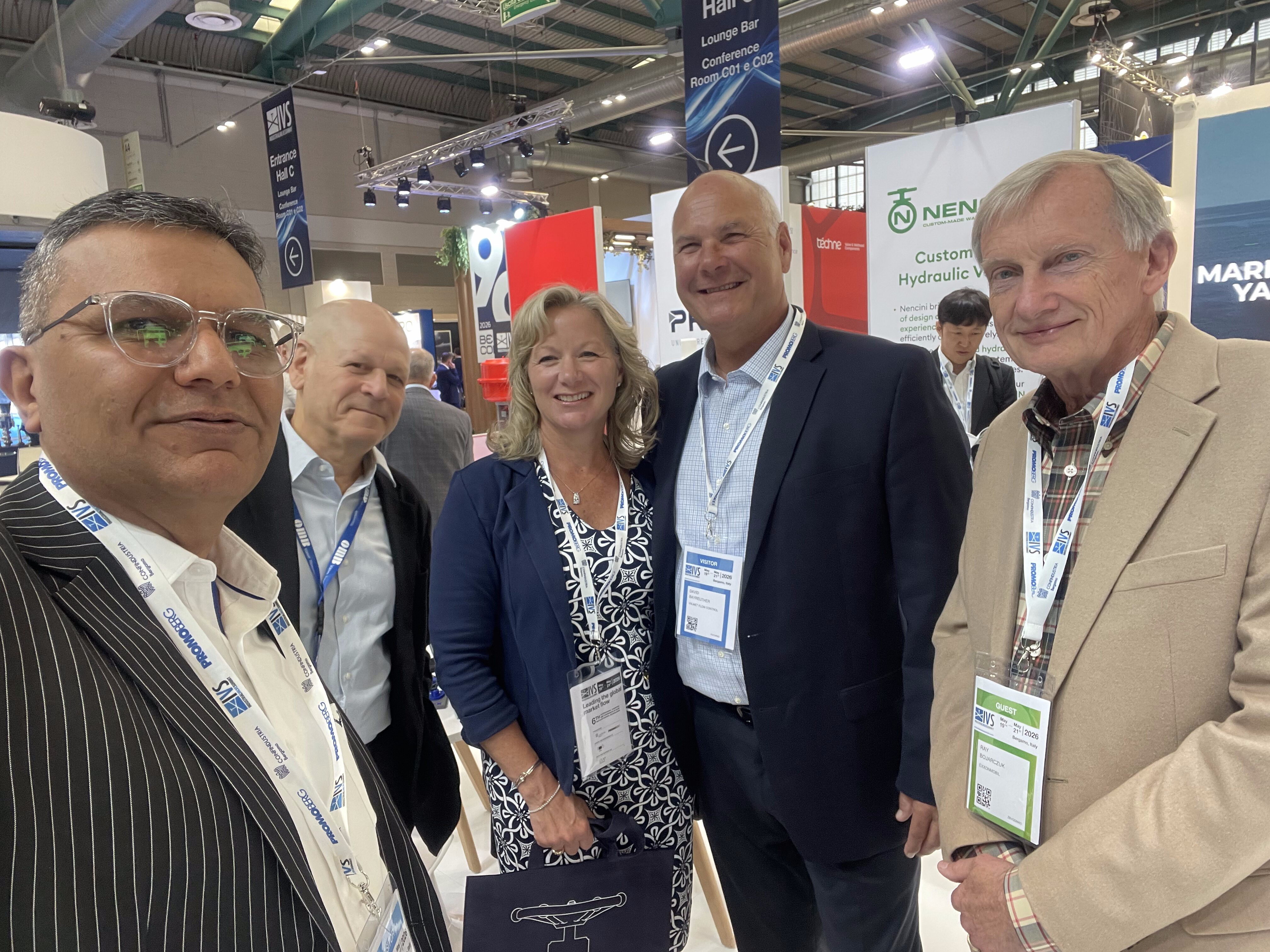
Gobind Khiani is the president of GAPV, Inc. During his career, he has worked in engineering management, asset management and facilities engineering and has devoted significant time volunteering with various industry standards boards and committees. He is a prolific author and a regular presenter at industry events.
What inspired you to pursue a career in the world of valves and actuators?
Valves and actuators are often the unsung heroes of an industrial facility. They may be small compared with the equipment around them, but they control, isolate and protect some of the most critical processes in the world. Every valve represents an engineering decision, one that must account for pressure, temperature, flow, materials, safety, reliability and the consequences of failure.
With regards to career, I like challenges at the same time once a while a pat on the back, i.e., an opportunity to solve complex problems where engineering knowledge and practical experience come together.
At the same time, the industry continues to evolve. New challenges such as fugitive emissions, decarbonization, hydrogen, carbon capture, LNG and increasingly automated and intelligent systems are pushing us to rethink how we design and operate flow-control systems.
For me, that combination of engineering complexity, safety responsibility, continuous innovation and real-world impact is what makes the valve industry so inspiring.
How did you get involved with so many industry associations and organizations?
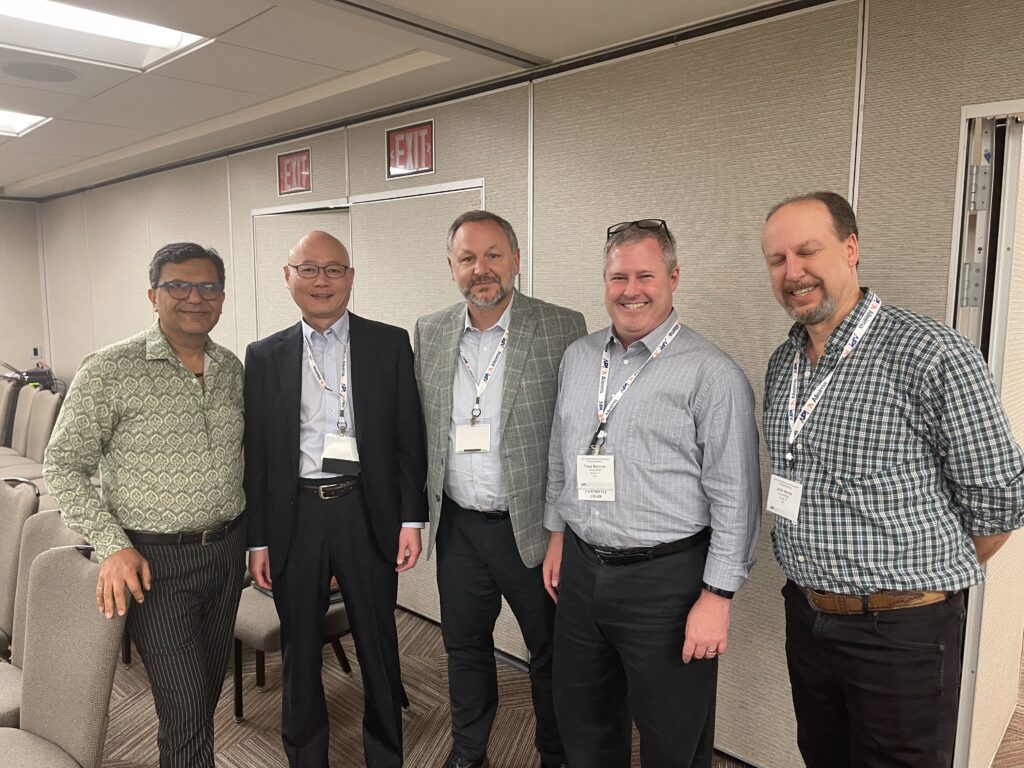
My involvement grew naturally from my long-standing engagement with the valve industry into standards organizations, and working with Valve World, beginning with my first Valve World conference in Maastricht in 2002, a VMA event in 2006 onwards. Over the years, I developed strong relationships with manufacturers, end users, engineers and industry leaders, and recognized the value of bringing these perspectives together. I became involved because I wanted to contribute beyond my own projects—to share experience, support industry collaboration, encourage innovation and help develop the next generation of valve professionals. These organizations represent an opportunity to give back to an industry that has given me so much throughout my career.
Are there any exciting projects or initiatives you are working on that you’d like to highlight to our readers?
With the many challenges and opportunities ahead, I am particularly excited about how the flow-control industry is contributing to the next generation of sustainable infrastructure. I am seeing tremendous opportunities across LNG, data centers, power generation and grid infrastructure, water and wastewater, desalination, hydrogen and ammonia, low-carbon fuels, carbon capture and CO₂ infrastructure, mining and critical minerals, as well as traditional oil and gas.
I have been involved in complex projects where the emphasis is on integrated and sustainable engineering solutions, looking beyond the individual valve to consider the complete system, including safety, reliability, emissions, space and weight optimization, maintainability and lifecycle performance.
What excites me most is the convergence of these industries and the new challenges they bring to flow control. It is an opportunity to apply our experience while continuing to innovate and develop solutions that are safer, more efficient, and sustainable for the future.
How do you stay abreast with changes in the valve/actuator industry?
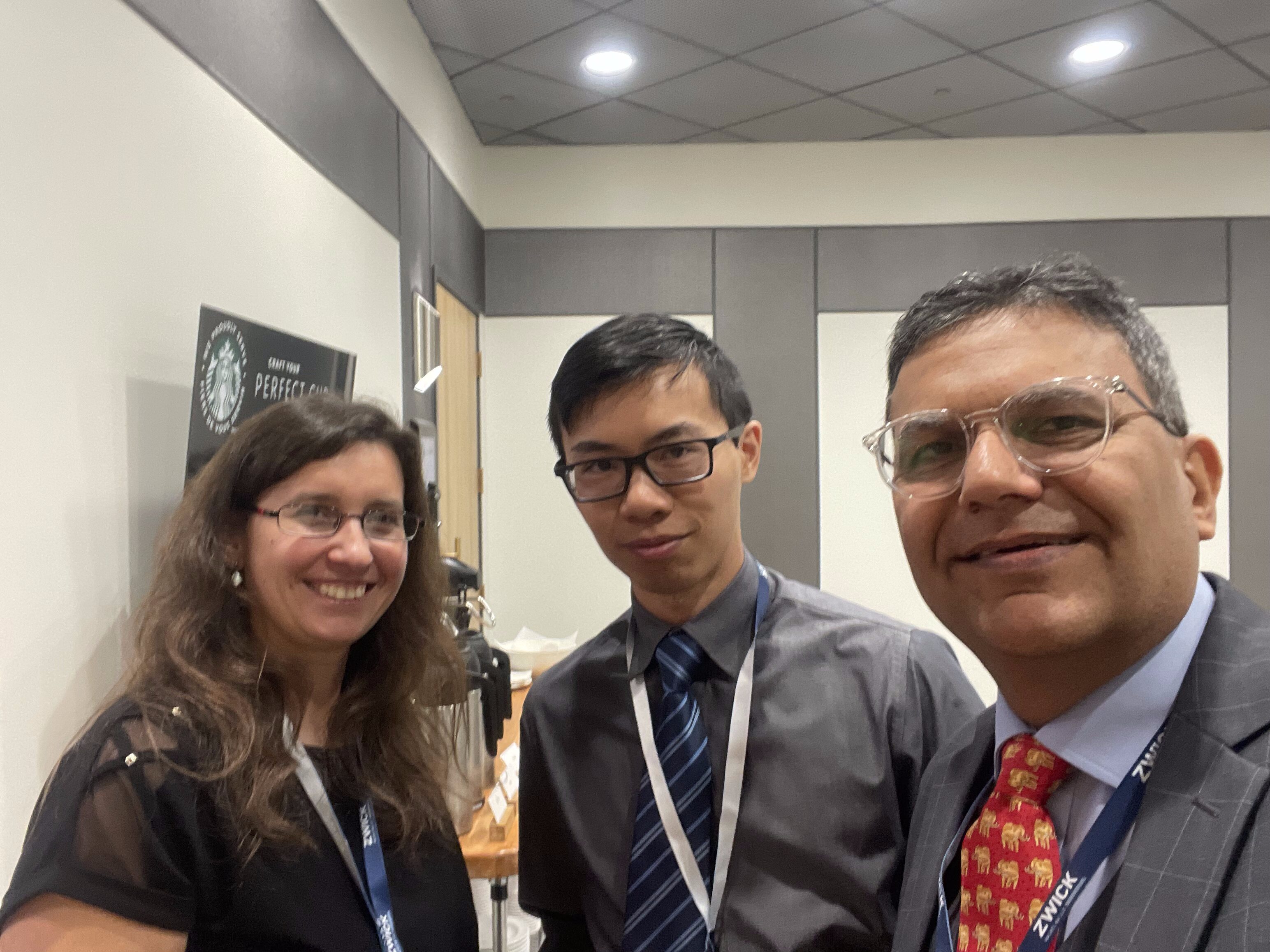
I stay abreast of developments in the valve and actuator industry by maintaining close contact with industry peers and participating actively in technical organizations and standards committees. My involvement with API, ASME, ISO and CSA provide valuable insight into evolving standards, technologies and industry practices. I also attend and participate in conferences, technical forums and industry events, which allow me to exchange knowledge, discuss emerging challenges and learn from the experiences of others.
What do you think the biggest challenges are for valve manufacturers? For end users?
I believe one of the biggest challenges facing end users today is moving from a component-based approach to a lifecycle approach to flow control. End users are no longer looking only for a valve that meets a specification; they want a solution that provides reliability, safety, emissions performance, maintainability, availability and value over the entire operating life of the facility.
Fugitive emissions are becoming increasingly important, particularly with methane and other environmentally sensitive services. At the same time, end users are dealing with supply chain constraints, longer lead times, increasingly complex process conditions and the need to control costs without compromising reliability. New applications involving LNG, hydrogen, ammonia, CO₂, carbon capture and other emerging technologies are also creating new challenges in materials, sealing, actuation and valve design.
Another significant challenge is the loss of experienced engineering knowledge. We need to do a better job transferring practical knowledge and experience to the next generation while embracing digitalization and new technologies.
Ultimately, I believe the industry needs to move beyond simply asking, “Does the valve meet the specification?” and start asking, “Is this the right flow-control solution for the application, and will it continue to perform reliably throughout its lifecycle?” That shift will create significant opportunities for both end users and valve manufacturers.
Are there any emerging trends or technologies that you are particularly excited about?
For 2026 and beyond, the valve and actuator industry is moving toward smarter, more sustainable and highly integrated flow-control solutions. Key trends include intelligent valves and actuators with real-time monitoring, predictive maintenance, digital twins and IIoT connectivity. Fugitive-emission reduction, hydrogen, ammonia, CO₂ and carbon-capture applications will drive new materials, sealing technologies and testing requirements. Electrification of actuation, cybersecurity and remote operation will continue to grow. At the same time, data centers, LNG, power infrastructure, water treatment and modular facilities will create new opportunities for compact, lightweight and efficient valve solutions. Lifecycle performance, reliability, safety and sustainability will increasingly define valve selection.
What advice would you give someone who wants to explore a career in our industry or one of our end markets?
My advice is to stay abreast of industry trends and continuously expand your technical knowledge. Read technical papers, standards and industry publications, but also spend time in the field and, whenever possible, work in a plant, refinery or operating facility. Understanding how equipment actually functions in real operating conditions is invaluable. Learn not only the functionality of valves and actuators, but also the selection criteria, process requirements, failure modes, maintenance practices and safety considerations. Most importantly, seek experienced mentors and learn from both successful applications and lessons learned from failures.
Is there a piece of advice you were given that has stuck with you?
One piece of advice that has stayed with me throughout my career is: “Never stop learning and never be afraid to ask questions.” Early in my career, I learned that technical knowledge is important, but experience, curiosity and the willingness to listen are equally valuable. Some of the best lessons I have learned have come from asking questions of people with more experience, listening to different perspectives and being willing to challenge my own assumptions.
I have also come to appreciate that no one has all the answers. Engineering is a team effort, and some of the best solutions emerge when people with different experiences and expertise work together.
That advice has shaped how I approach both engineering and leadership. I try to remain curious, learn from every project and every challenge, and, in turn, share what I have learned with the next generation of engineers and industry professionals.
Tell us about what you do outside of work — family, hobbies, etc.
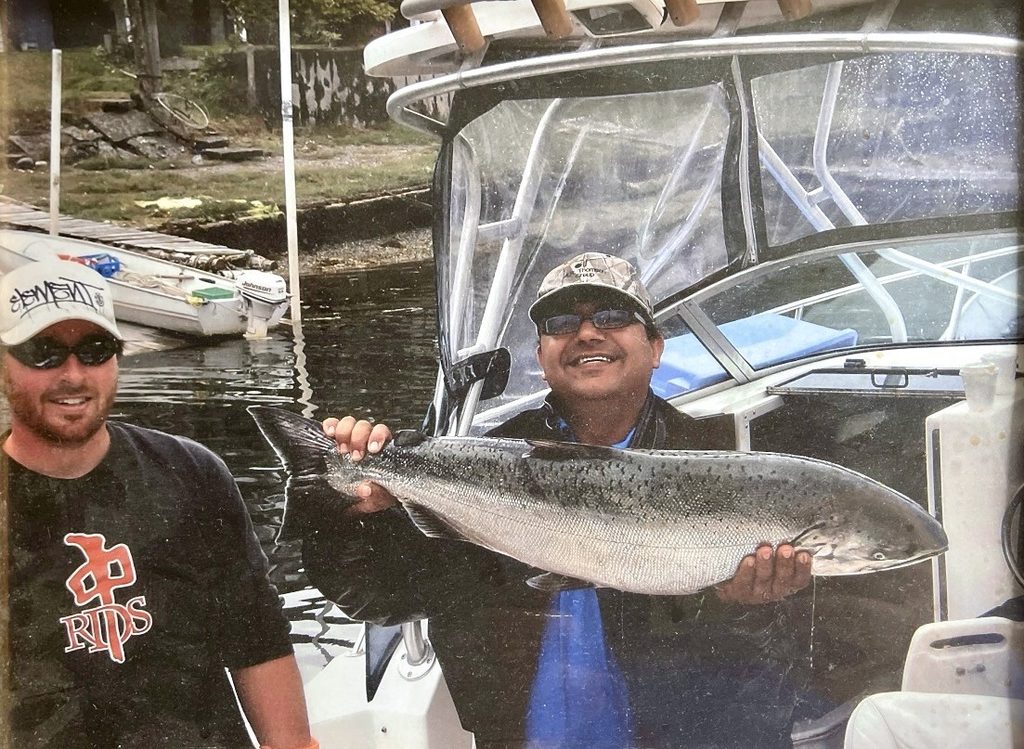
Outside of work, I enjoy staying active and making time for family and friends. I like hiking, fishing, travelling and exploring new places, and I try to maintain a regular gym routine to stay fit and healthy. I also enjoy playing golf occasionally. For me, spending quality time with family and friends, staying active, and experiencing new places provides a great balance to a busy professional life.
Do you have a secret talent that would surprise or delight our readers?
My secret talent is probably my curiosity. I am always interested in learning something new and remain open to ideas, perspectives and approaches that may be different from my own. I enjoy asking questions, exploring how things work, and connecting ideas from different disciplines to solve problems. I also believe that some of the best innovations come from being willing to listen and challenge conventional thinking. Whether it is a new technology, an engineering challenge, or simply learning from someone’s experience, I find that staying curious keeps me energized and continuously learning.