
Produced by


Produced by
Published June 26, 2026
MSS Executive Director explains the creation of a Standard, from conception to approval and adoption.
By: Lorna Soderberg, Executive Director, MSS
Industrial valves and fittings made their debut as important components of the steam-powered industrial revolution in the early 19th century. It didn’t take long for these component manufacturers to become an industry unto themselves. By the end of the American Civil War, companies were creating products to meet the primarily steam-driven need for valves and fittings. The Manufacturers Standardization Society of the Valve and Fittings Industry (MSS) was created in 1924 to address these issues.
Since then, MSS has developed more than 160 Standards and expanded its covered product line to include actuators, valve modification, pipe or tube fittings, pipe or tube hangers and supports, springs, spring washers, fasteners, flanges and associated seals.
MSS has 26 Technical Committees (TC) that meet at least once annually at the MSS Annual Meeting which takes place in late spring. Other meetings occur virtually as needed and determined by each Committee. Member companies aren’t limited in how many of their employees can be involved in MSS. These individuals are the representatives that make up the Committees where the Standards development work takes place. Being involved in creating standards for the industry globally is a primary benefit and the responsibility of being an MSS member company. Committees are responsible for the Standards that relate to the product category they represent, and they are responsible for updating each Standard every five years, which includes adding any new industry practices, new materials and references to other SDO Standards. There are no term limits for Committee members overall, but a few of the committees have determined their own three-year terms. There is also no limit to the number of members from any individual company on any one Committee, however only one representative from each company can be a voting member, the others would be non-voting members.
The committee members are encouraged to bring ideas for new Standards to the committee. This may be for a new product, a new process for testing or any other industry related topic. A proposal is put together with the title and scope of the projected new Standard and put to a ballot by the committee. Once approved, it goes to the Coordinating Committee (CC) which oversees all technical work for MSS. After the CC approves the Title & Scope, the real work begins. The originating Committee begins writing the Standard, usually under the auspices of a Task Group. A draft is written and presented to the entire TC via ballot to give an opportunity for comments and critiques to be made. If there are negative votes, the draft is updated and presented for another ballot. It can take up to 3 or 4 ballots to move a new Standard through approval, but generally one ballot is good enough.
Throughout the entire process, the Technical Coordinator and Standards Editor are responsible for formatting the document into the MSS style and final format. Once the TC is satisfied that the draft is complete, it is passed along to the CC, who reviews it for both technical and editorial content. A ballot is drafted and once approved it becomes an official MSS Standard and is assigned a number. MSS sells its standards through multiple distributors both domestic and international and receives royalties on these sales to fund the ongoing updating and creation of new Standards.
The MSS process for developing a Standard from start to finish is a fairly nimble one compared to other Standard Development Organizations (SDO). A brand new Standard may take two to three years to create, and revisions of existing Standards are typically completed in one to two years.
MSS is always looking for new members. If your company is a manufacturer of one of our product lines, please contact us for more information. membership@msshq.org
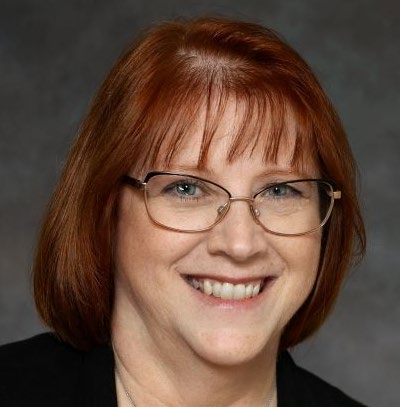
Lorna Soderberg is the Executive Director of MSS. Much of her career focused on operational leadership across different industries. In her role at MSS, she provides strategic direction to support consensus-based standards development, strengthen stakeholder collaboration and ensure MSS continues to meet the evolving needs of the industry, while working closely with the Board of Directors as a strategic partner to align governance, priorities and operational execution.



The certification includes Amendment 1:2024 for its quality management system.
April 21, 2026
Why engineered mounting kits are critical to valve automation integrity.
April 7, 2026