
Produced by


Produced by
Published April 13, 2022
While researchers find that immediate economic benefits of carbon emissions reductions are limited, most scenarios have net economic benefits after 2050, and the vast majority (more than 75%) by 2080.
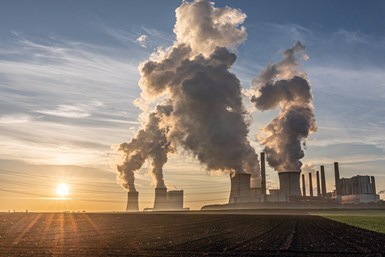
A new paper in Oxford Open Climate Change, published by Oxford University Press, indicates that, while various models to measure the economic impact of reducing carbon emissions show low current economic benefits, after 2050, most scenarios show higher benefits than costs as reported by Manufacturing.net. These benefits are the largest in developing countries.
Climate stabilization pathways reviewed by the United Nations’ Intergovernmental Panel on Climate Change show the challenges and opportunities of reducing carbon emissions to meet the goal of the Paris Climate Agreement.
Researchers here explored many scenarios to combine the costs of carbon reduction with the growing literature by using 25 different economic damage functions of climate change, predicting the economic impacts of carbon reduction. The researchers found that, comparing the net benefits plans to reduce carbon emissions by 1.5° or 2° Celsius above pre-industrial levels, the two climate targets yield similar economic results.
For the full article, click here and to access the Oxford University Press paper, click here.




September 22, 2026
September 17, 2026
The Indian manufacturer acquired 45% ownership of the Texas-based company.
November 11, 2025